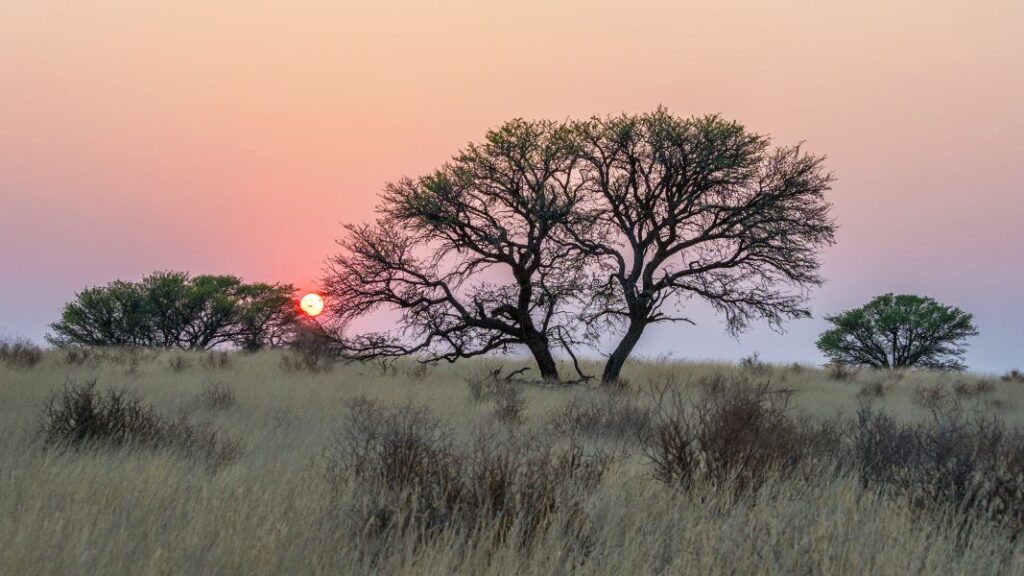

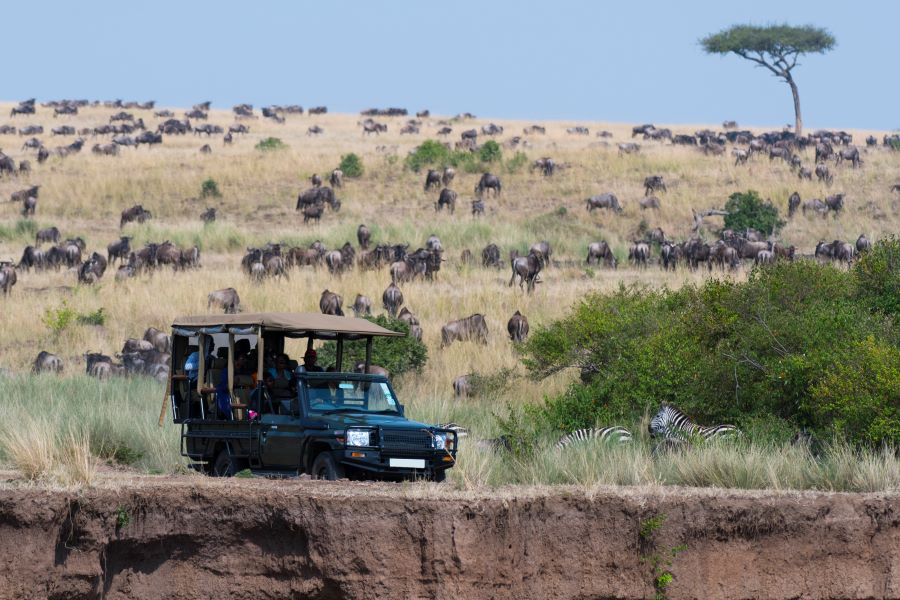
Planning a safari and wondering when to visit Masai Mara? Whether you want to witness the spectacular Great Wildebeest Migration or enjoy excellent wildlife viewing, the reserve offers unforgettable adventures year-round. The ideal time to visit depends on your travel goals, budget, and the type of safari experience you want. The Masai Mara National Reserve is Kenya’s premier safari destination, spanning more than 1,500 square kilometers of open plains, rolling hills, acacia woodlands, and the famous Mara River. It is home to the Big Five, cheetahs, giraffes, zebras, hippos, crocodiles, and more than 500 bird species, making it one of Africa’s best places for wildlife viewing.
Unlike many safari parks, the Masai Mara offers wildlife viewing year-round. Seasonal shifts in rainfall, vegetation, wildlife movements, and visitor numbers create distinct experiences each month. Some months are ideal for watching the Great Migration, while others offer fewer crowds, lush green landscapes, lower safari prices, and outstanding photography opportunities. At Tunza Tours, we help travelers choose the best time to visit the Masai Mara based on their budget, preferred travel dates, accommodation style, and wildlife interests, ensuring every Kenya safari is memorable.
When Is the Best Time to Visit Masai Mara?
For most travelers, the best time to visit Masai Mara is during the dry season, from June to October. This period is widely considered the best for a Masai Mara safari because shorter grass makes wildlife easier to spot, animals gather around rivers and waterholes, and game drives are more comfortable thanks to dry weather and improved road conditions.
The dry season also coincides with the world-famous Great Wildebeest Migration, when more than a million wildebeest, accompanied by zebras and gazelles, move from Tanzania’s Serengeti into the Masai Mara National Reserve. The best months to witness this incredible event are July through October, with August and September offering the highest chances of dramatic Mara River crossings. If your goal is exceptional wildlife viewing, pleasant weather, and the unforgettable spectacle of the Great Wildebeest Migration, the best time to visit Masai Mara is from June to October. This period consistently delivers some of the finest safari experiences in Kenya and Africa.
Best Time to Visit Masai Mara at a Glance
| Month | Wildlife Viewing | Weather | Overall Rating |
| January | Excellent | Warm and mostly dry | Good |
| February | Excellent | Warm and mostly dry | Good |
| March | Good | Start of long rains | Fair |
| April | Fair | Wettest month | Fair |
| May | Good | Wet but beautiful | Good |
| June | Excellent | Cool and dry | Excellent |
| July | Excellent | Cool and dry | Excellent |
| August | Outstanding | Dry | Excellent |
| September | Outstanding | Dry | Excellent |
| October | Excellent | Warm and dry | Excellent |
| November | Good | Short rains | Fair |
| December | Good | Warm with occasional showers | Fair |
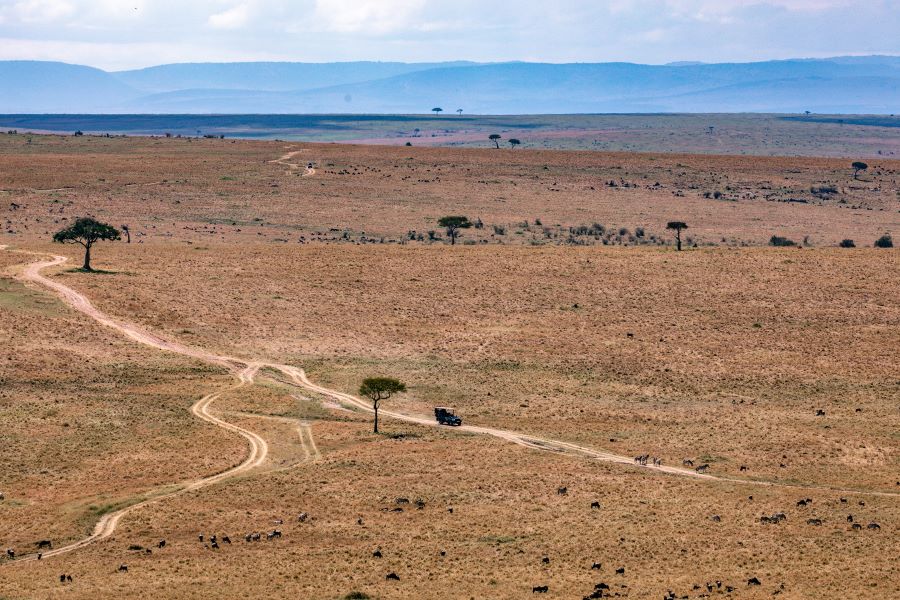
Masai Mara annual overview
1.January
January is a beautiful time to visit Masai Mara. The short rains have ended, the plains are green, and wildlife is easy to spot. It is also an excellent month for photography, with fresh, vibrant scenery. You can expect warm weather, fewer tourists than during the migration season, and excellent wildlife sightings. January is also a good month for birdwatching, as migratory birds arrive from Europe and North Africa. This is a great time for a peaceful safari without the heavy crowds of July and August.
Best for:
Birdwatching, photography, predator sightings, family safaris, and quieter game drives.
2.February
February is one of the best months for predator action in the Masai Mara. Many young antelopes are born around this period, attracting lions, cheetahs, hyenas, and other predators. The weather is warm and mostly dry, making it a comfortable time for game drives. Because it is not part of the peak migration season, you can enjoy a more relaxed safari experience while still seeing plenty of wildlife. If you want excellent wildlife sightings without peak-season crowds, February is a smart choice.
Best for:
Lions, cheetahs, wildlife photography, peaceful safaris, and predator sightings.
3.March
March marks the beginning of the long rainy season. You may experience afternoon showers, but mornings are often clear enough for game drives. The landscape becomes greener, and the reserve starts to feel more peaceful as visitor numbers drop. Wildlife is still present, although taller grass may make some animals slightly harder to spot. March is ideal if you want a quieter safari and do not mind occasional rain.
Best for:
Low crowds, green scenery, photography, and flexible travelers.
4.April
April is usually the wettest month in the Masai Mara. Some roads can become muddy, and a few seasonal camps may close temporarily. However, April also has its advantages. The reserve is lushly green, accommodation prices are often lower, and there are fewer tourists. If you want a more private safari experience and are comfortable with some rain, April can offer excellent value. This is a good month for travelers seeking luxury safari lodges at more affordable rates.
Best for:
Lower safari prices, lush scenery, fewer tourists, and budget-conscious luxury travelers.
5.May
May is still part of the rainy season, but rainfall usually begins to decrease. The plains remain green, rivers are full, and the scenery is stunning. Because this is not a peak travel month, safari prices can still be more affordable. Wildlife remains active, and the experience feels more intimate because there are fewer safari vehicles in the reserve. If road conditions are a concern, a fly-in safari can be a great option during this period.
Best for:
Budget safaris, green landscapes, photography, and peaceful travel.
6. June
June marks the start of the dry season and the beginning of the best safari period in Masai Mara. The vegetation thins, making wildlife easier to spot. The weather is cooler, especially during early-morning and evening game drives. Wildlife viewing improves each week, and visitor numbers remain lower than in July and August. June is one of the best months for excellent game viewing before the busiest migration crowds arrive.
Best for:
Big Five safaris, comfortable weather, photography, and early dry-season wildlife viewing.
7.July
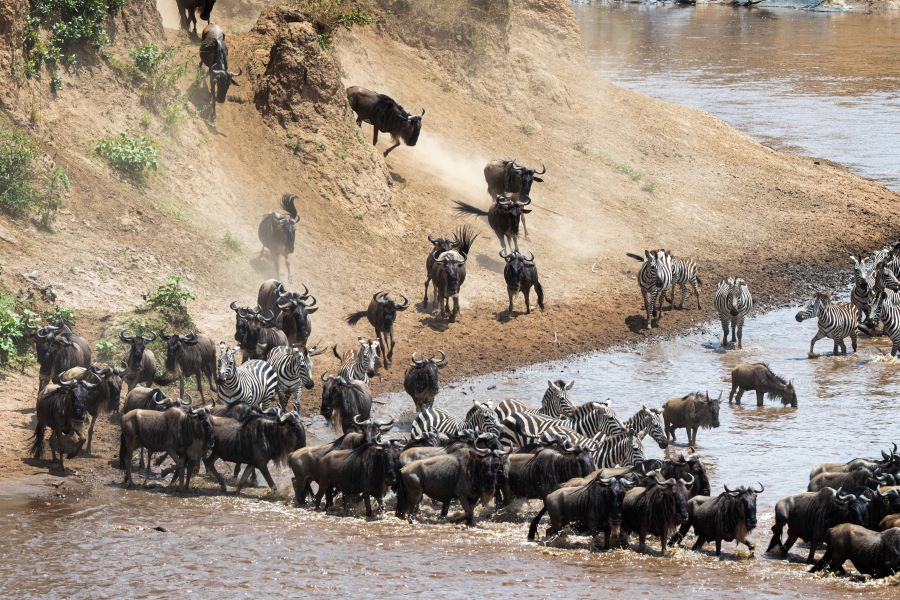
July is one of the most exciting months to visit Masai Mara. This is when large herds of wildebeest, zebras, and gazelles arrive from Tanzania’s Serengeti as part of the Great Wildebeest Migration. Predators follow the herds closely, creating unforgettable wildlife action. Lions, cheetahs, hyenas, leopards, and crocodiles are highly active during this period. Safari prices are higher in July, but the experience is worth it if you want to see one of Africa’s most iconic wildlife spectacles.
Best for:
Great Migration, predator action, Big Five safaris, and classic Kenya safari experiences.
8.August
August is one of the most popular months to visit Masai Mara. The migration is usually in full swing, and the famous Mara River crossings often happen during this period. This is the moment many travelers dream of: thousands of wildebeest gathering at the river, crocodiles waiting in the water, and predators watching from the plains. River crossings are unpredictable, but August offers one of the best chances to witness this dramatic event. Because demand is high, you should book your Masai Mara safari several months in advance.
Best for:
Mara River crossings, Great Migration safaris, wildlife photography, and once-in-a-lifetime safari experiences.
9.September
September is another excellent month for a Masai Mara safari. The migration is often still active, wildlife concentrations remain high, and the weather is comfortable. Compared to August, some areas may feel slightly less crowded, making September a great month for travelers seeking migration action while enjoying a more balanced safari experience. If you want strong wildlife viewing, good weather, and a better chance of avoiding the heaviest crowds, September is one of the best months to travel.
Best for:
Migration safaris, Big Five viewing, photography, and couples or honeymoon safaris.
10.October
October is still a fantastic safari month. Some migration herds may begin moving south, but wildlife remains abundant across the Masai Mara. The weather is warm and mostly dry, visibility is excellent, and game drives are highly rewarding. October is especially good for travelers seeking a high-quality safari just after the peak months. It is also a great month for photography, as the light is beautiful and the landscapes begin to change before the short rains.
Best for:
Photography, wildlife viewing, honeymoons, and quieter dry-season safaris.
11.November
November brings the short rains. These rains usually come in short afternoon showers, meaning morning game drives can still be very productive. The plains turn greener, migratory birds return, and visitor numbers decline. This is a good month for a quieter safari at better rates. Wildlife remains throughout the reserve, and the fresh landscapes create beautiful conditions for photography.
Best for:
Birdwatching, lower prices, green scenery, and peaceful safari experiences.
12.December
December is a lovely month to visit Masai Mara, especially in the first half of the month. Wildlife viewing is still good, the scenery is green, and the weather is warm. The reserve becomes busier around Christmas and New Year as families and holiday travelers arrive. If you are planning a December safari, it is best to book early to secure good accommodations. December is a great time for festive holidays, family safaris, and travelers combining Masai Mara with other destinations in Kenya.
Best for:
Family holidays, festive travel, wildlife viewing, and end-of-year safaris.
Best Time to See the Great Wildebeest Migration
The Great Wildebeest Migration is a major reason travelers choose Masai Mara. Every year, millions of wildebeest, zebras, and gazelles migrate between Tanzania’s Serengeti and Kenya’s Masai Mara in search of fresh grazing. The migration typically reaches Masai Mara between July and October, depending on rainfall. During this period, the plains fill with massive herds, and predators become more active. The most dramatic moment is the Mara River crossing, when wildebeest plunge into crocodile-infested waters while predators wait nearby. Because these crossings are natural and unpredictable, every safari is unique. If your dream is to see the migration, book your safari for July, August, September, or October. For the best chance of seeing river crossings, August and September are often the best months.
Dry Season: June to October
The dry season is the most popular time to visit Masai Mara. It offers excellent wildlife viewing, comfortable weather, and the best chance of seeing the Great Migration.
Why visit during the dry season?
- Best wildlife viewing
- Great Wildebeest Migration
- Higher chance of Mara River crossings
- Shorter grass and better visibility
- Easier road access
- Excellent photography conditions
- Animals gather near rivers and waterholes
Things to keep in mind:
- Safari prices are higher
- Accommodation sells out quickly
- Popular areas can be busy
- Advance booking is strongly recommended
Choose the dry season for the classic Masai Mara safari experience with the best wildlife action.
Green Season: November to May
The green season is perfect if you want beautiful scenery, fewer crowds, and better safari rates. The reserve becomes lush, birdlife is excellent, and many animals give birth during this period.
Why visit during the green season?
- Lower safari prices
- Fewer tourist vehicles
- Beautiful green landscapes
- Excellent birdwatching
- Great photography
- Newborn animals
- Peaceful safari experience
Things to keep in mind:
- Rain may interrupt some activities
- Some roads can become muddy
- A few seasonal camps may close
- Wildlife can be harder to spot in tall grass
Plan Your Masai Mara Safari with Tunza Tours
Choosing the right time to visit Masai Mara can make your safari even more memorable. That is why Tunza Tours helps you plan your trip based on the season, your budget, your preferred travel dates, and the type of experience you want. Whether you are planning a Great Migration safari, a family holiday, a honeymoon safari, a group safari, or a private safari in Kenya, we can help you create the right itinerary. Book your Masai Mara safari with Tunza Tours and experience Kenya’s most iconic wildlife destination with a trusted local tour company.